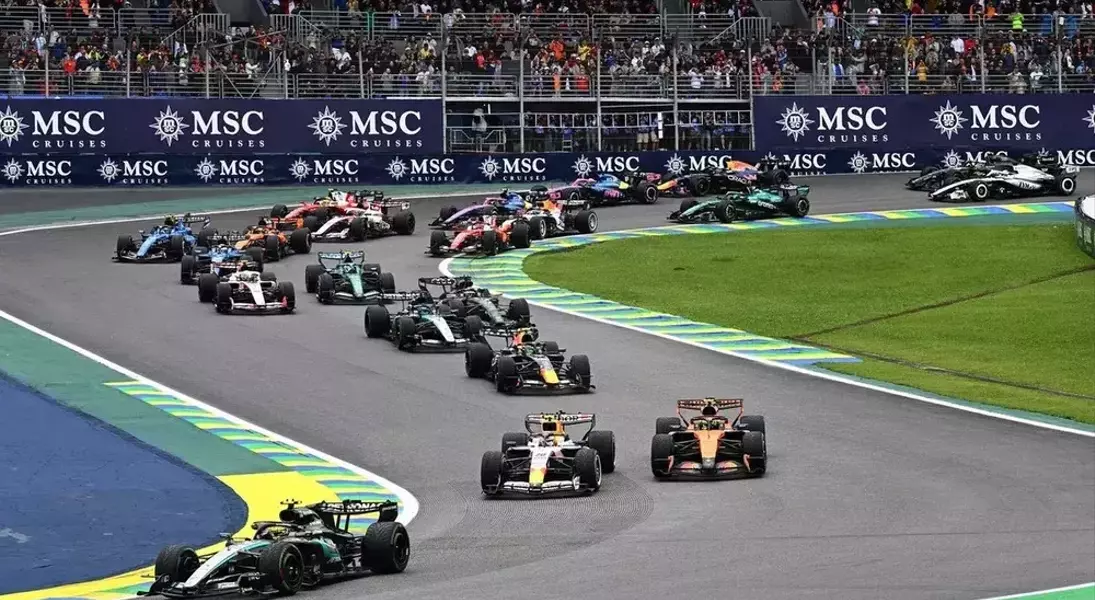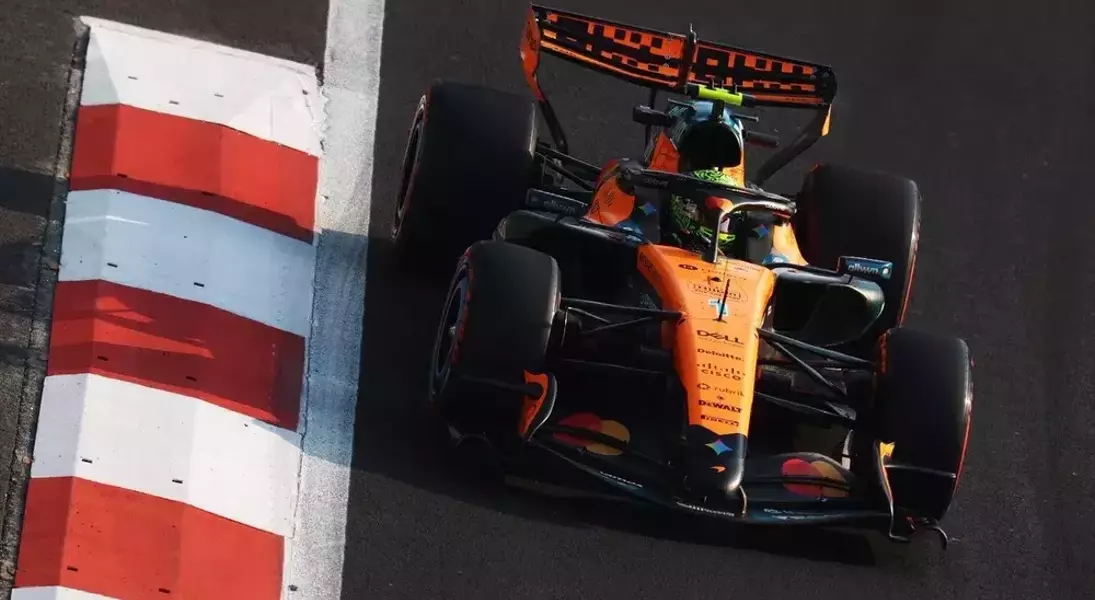
The 2026 Formula 1 season is expected to conclude as planned with races in Qatar and Abu Dhabi, despite the geopolitical instability in the Middle East. This decision follows a period of uncertainty caused by the conflict that began in late February, leading to the cancellation of the Saudi Arabian Grand Prix and the relocation of Bahrain's event to Malaysia. Formula 1 has confirmed that the Emilia Romagna Grand Prix at Imola will not be required as a substitute, after the Italian circuit was previously considered an alternative for the season finale.
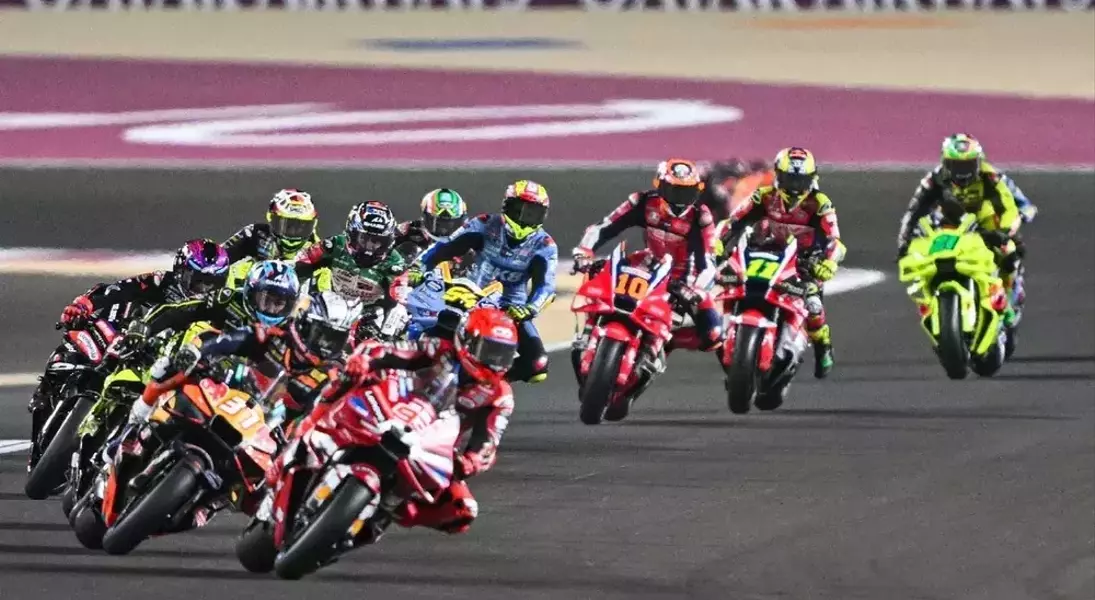
While the MotoGP event in Lusail recently concluded without significant issues, two Yamaha teams chose to withdraw due to the regional situation. Formula 1 has indicated that travel insurance and governmental advice currently support proceeding with the planned races. However, the sport acknowledges that circumstances could change rapidly and maintains that safety will remain the utmost priority should the conflict intensify, potentially leading to further adjustments.
Key figures within Formula 1, such as Ferrari team principal Fred Vasseur and Mercedes counterpart Toto Wolff, have voiced their trust in the sport's leadership and the FIA to make informed decisions. They emphasized that their teams are prepared to race wherever instructed, relying on official guidelines and local government assessments. Wolff also noted that while there haven't been widespread concerns among drivers, individual decisions regarding comfort and safety would be respected, even suggesting opportunities for other drivers if someone chose not to travel.
The commitment to upholding scheduled events amidst global challenges, while prioritizing participant well-being, reflects a resilient spirit. In a world often fraught with unpredictability, the ability to adapt and ensure safety without succumbing to despair is paramount. This approach underscores a dedication to navigating adversity with courage and responsibility, fostering unity and shared experiences through sport.