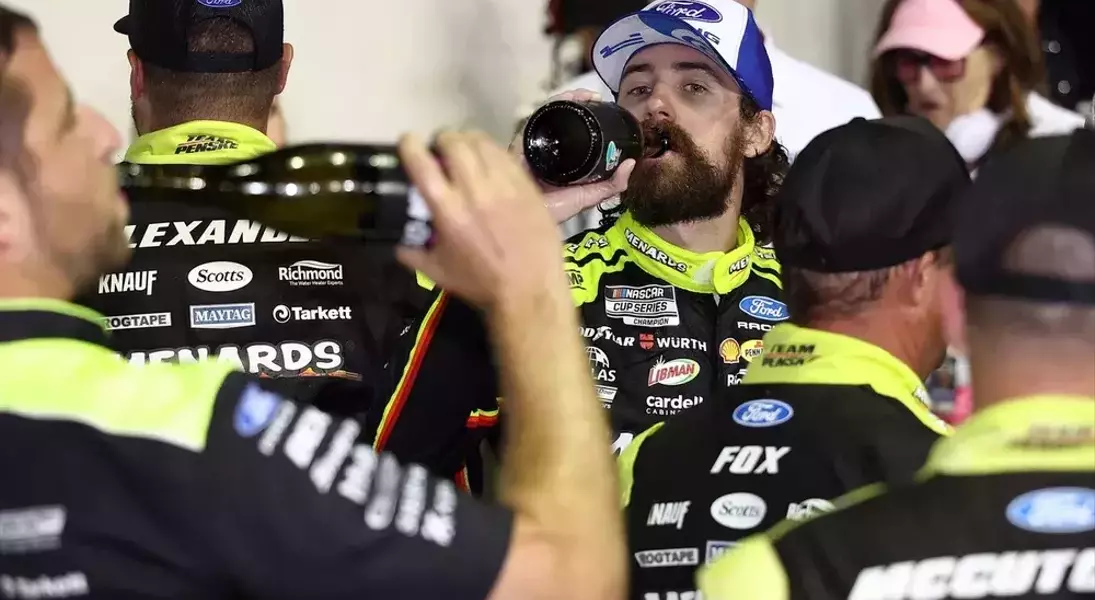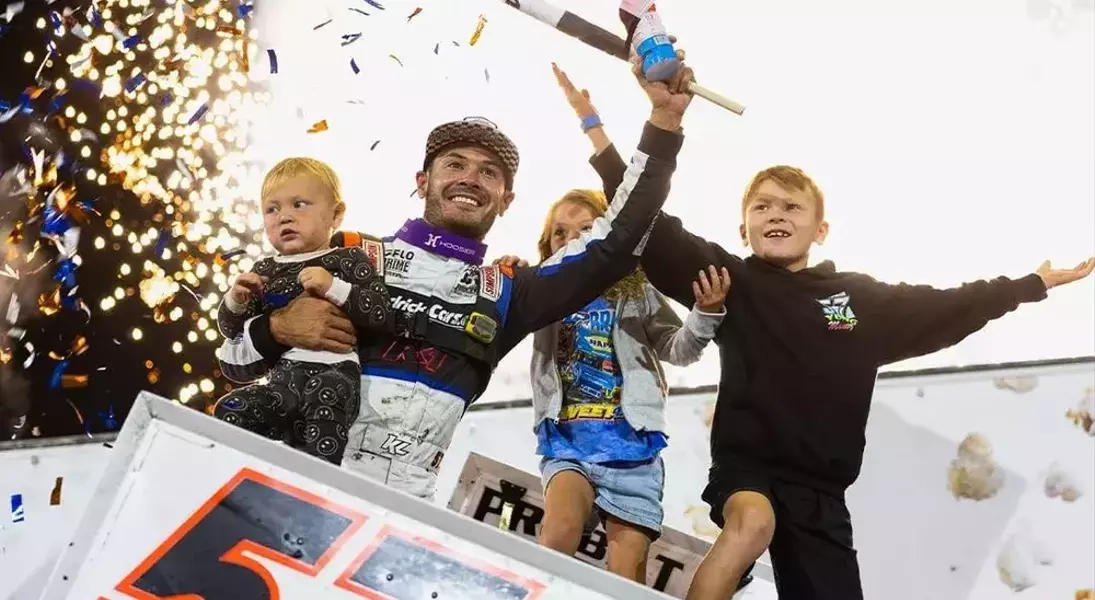
Tim Clark, the Executive Vice President and Chief Brand Officer at NASCAR, recently underscored the critical need for the sport to sharpen its narrative to attract and retain a broader viewership. Participating in a panel at the Autosport Business Exchange in New York, Clark articulated that NASCAR faces a challenge not in brand recognition, but in perception, stressing the importance of revealing the sport's intricate layers and the human stories behind the competition to foster deeper fan engagement.
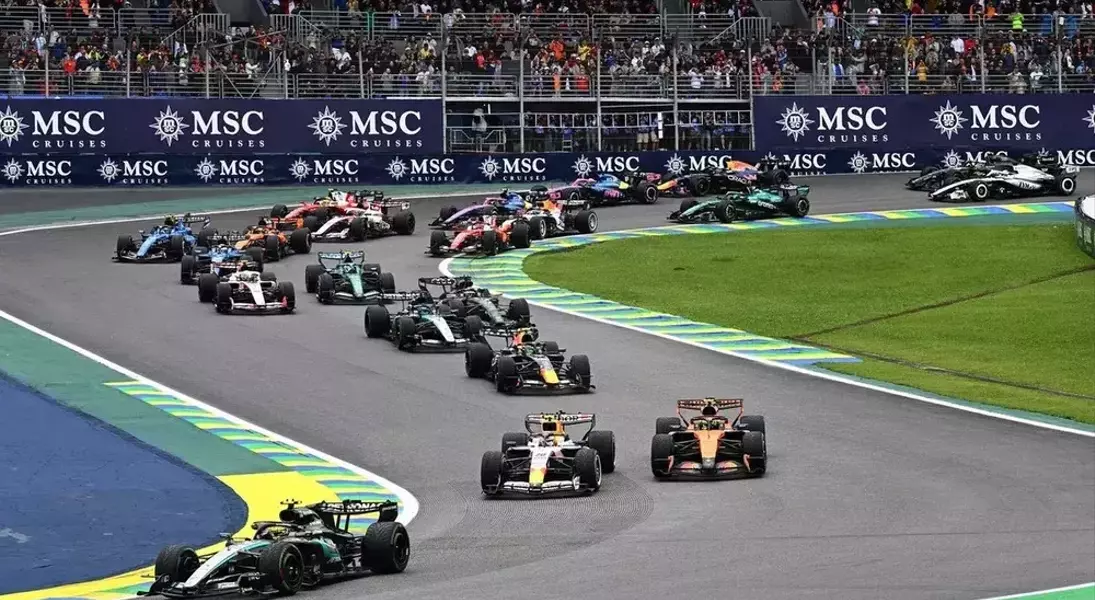
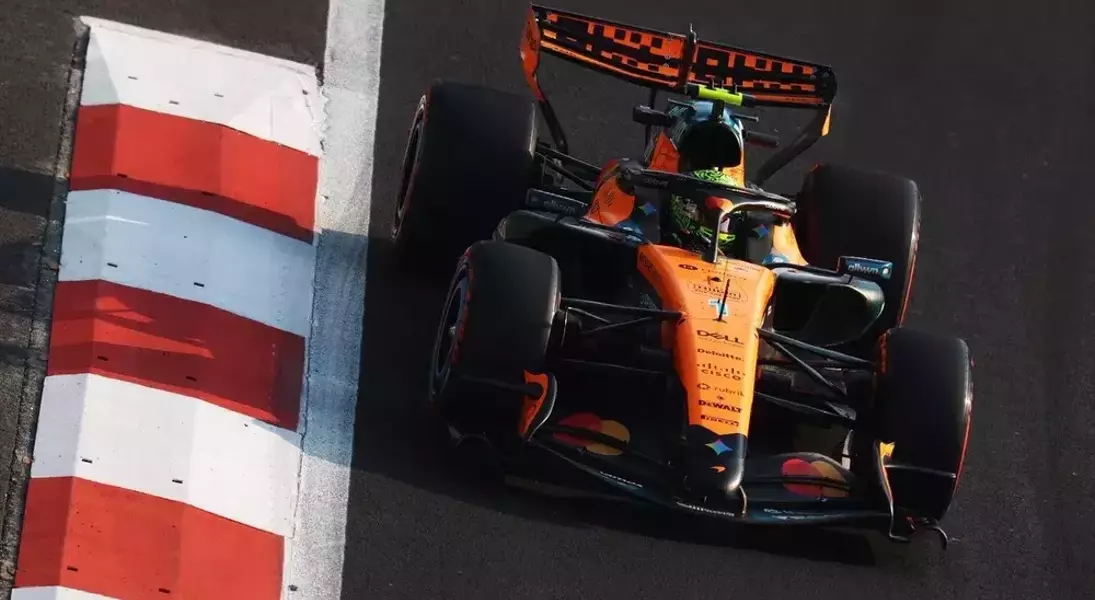
Amidst a dynamic landscape of motorsports, with Formula 1's expanding presence in the U.S. and IndyCar's new media collaborations, NASCAR is also charting an ambitious course with its substantial media rights agreement. Clark acknowledged the collective benefit of growth across all racing disciplines, yet highlighted NASCAR's unique identity, suggesting the organization must authentically convey its essence. He noted that while everyone is familiar with NASCAR, the public's understanding of its depth and complexity often remains superficial. The goal is to move beyond mere awareness and cultivate a more profound connection with potential fans by illustrating the commitment and expertise that underpin each race.
A significant part of this strategy involves bringing to light the less visible aspects of NASCAR. Clark pointed out that many fans are unaware of the intricate work happening behind the scenes, from the engineering decisions that influence tire performance to the rigorous preparation of the teams. He believes that by demystifying these elements and presenting them as compelling stories, NASCAR can offer a richer, more engaging experience. This 'behind-the-scenes' content reveals the true dedication and innovation inherent in the sport, making it more relatable and fascinating to a wider demographic.
Seven-time Cup Series champion Jimmie Johnson, also a panelist, echoed Clark’s sentiments, emphasizing his passion for storytelling as a tool to convert casual observers into loyal fans. Johnson observed that once individuals experience the visceral excitement of a race firsthand, they often become lifelong enthusiasts. However, he stressed the need to capture attention quickly, especially among younger audiences with shorter attention spans. For Johnson, compelling narratives are paramount in this conversion process, requiring diverse layers of experience to resonate with different age groups and preferences.
Furthermore, Clark elaborated on NASCAR's evolving approach to social media. He advocated for a tailored content strategy, moving away from a one-size-fits-all model for platforms like Twitter, Facebook, Instagram, and YouTube. Recognizing YouTube as a particularly influential platform, he emphasized its role in reaching younger audiences and delivering content that satisfies both core fans and new followers. By investing in platform-specific storytelling, NASCAR aims to cultivate a new generation of fans who engage with the sport through their preferred digital channels, ensuring sustained growth and relevance in the modern media landscape.